

Incense: Fragrance, Attention, and Sacred Space

Fragrance as a cue for attention
Smell is closely linked with memory and emotion. A familiar aroma can recall a place with surprising immediacy, while a fragrance used consistently before meditation or prayer can become a sensory cue: this is the moment to pause.
Incense has served devotional, ceremonial, and domestic roles in many cultures. In Hindu and Buddhist contexts, fragrant smoke may be offered as a sign of reverence. Frankincense has a long place in Christian and other Middle Eastern ritual settings. Japan’s kōdō, often translated as “the Way of Incense,” developed attentive appreciation of aromatic woods into a refined art. These traditions have their own histories and should not be collapsed into a single universal practice.
Choosing an aroma
- Sandalwood has a warm, soft, woody profile and is widely associated with contemplative practice.
- Frankincense is resinous, citrusy, and balsamic, with strong ceremonial associations.
- Jasmine is floral and expressive; blends vary from delicate to intensely sweet.
- Palo santo has a distinctive wood-and-citrus aroma and requires particular attention to responsible sourcing.
Traditional or personal symbolism can deepen the experience of a scent, but incense does not literally remove dangerous “energy,” disinfect a room, or treat anxiety. Aromatherapy research is mixed and product-specific. Think of incense first as fragrance, ritual, and a focus for attention.

How to assess an incense product
Read the ingredient information where it is available, and look for a seller who describes the maker and style clearly. A natural ingredient list can be appealing, but “natural” does not automatically mean smoke-free, allergen-free, or harmless. Origin alone is not proof of quality or spiritual potency. The fragrance should suit your space and your own sensitivity rather than conform to a dramatic marketing claim.
Burn incense safely
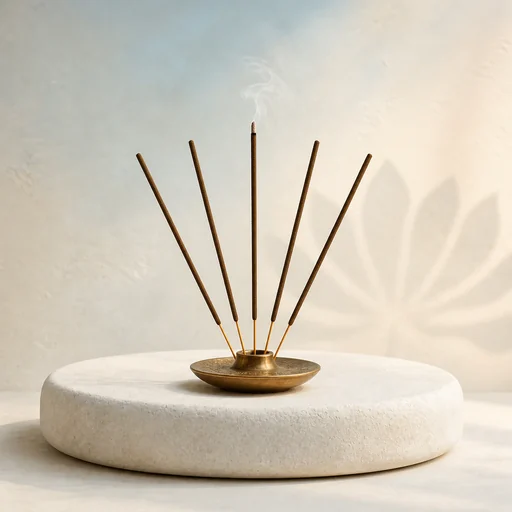
- Place it in a stable, noncombustible holder away from curtains, paper, pets, and children.
- Ventilate the room and use the smallest amount that creates the atmosphere you want.
- Never leave burning incense unattended, and extinguish it fully before leaving.
- Avoid smoke around anyone with asthma, respiratory disease, migraines triggered by fragrance, or known sensitivities.
- Do not ingest incense or apply products to the skin unless they are specifically made and labeled for that use.
A thoughtful ritual can be simple: open a window, light one stick or a small piece of resin safely, name your intention, and spend a few minutes in attentive silence.
Explore our collection: incense and aromatic goods at Narayana Shop.