





Murtis: Sacred Forms and Their Place in Hindu Practice

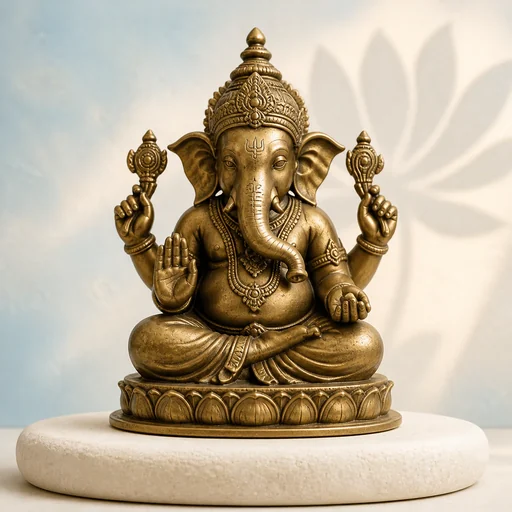
In Hindu traditions, a murti is a sacred form through which a devotee may direct attention, reverence, and relationship. The English word statue describes the object’s physical form, but it does not fully convey the devotional role a murti can hold.
Different philosophical schools explain divine presence in different ways. In temple practice, a murti may be formally consecrated through prescribed rites. In a home, an image may become the focus of prayer, meditation, remembrance, and daily offerings. It is therefore helpful to approach a murti with respect for the tradition it represents rather than treating every sacred image as interchangeable decoration.
Forms, gestures, and stories
Hindu sacred art communicates through posture, attributes, hand gestures, vehicles, and accompanying figures. A serene meditative form may invite stillness. Shiva as Nataraja, dancing within a ring of flames, expresses a dynamic cosmology of creation and dissolution. Other forms are associated with learning, protection, prosperity, devotion, or the removal of obstacles. Learning the iconography often makes the image more meaningful.
Murtis intended for ritual worship may require particular care according to lineage and household custom. A person who wishes to begin formal puja can benefit from guidance from a knowledgeable practitioner or teacher. For a simple contemplative space, cleanliness, a stable placement, and sincere attention are a sound beginning.
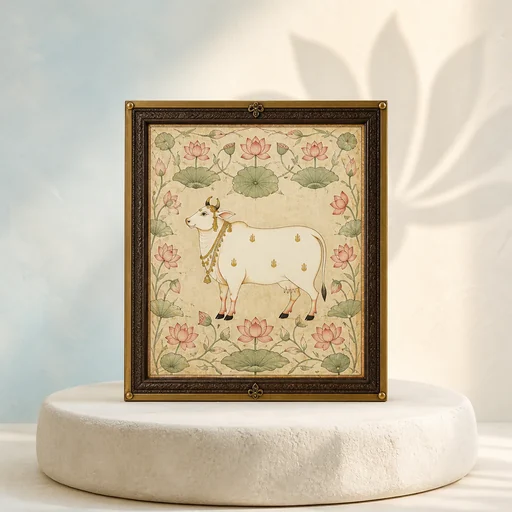
Narayana Shop offers handcrafted sacred images sourced from Indian artisans, including work associated with Vrindavan. Materials, dimensions, finish, and provenance vary by piece, so review the individual listing before choosing.
Explore the collection: murtis and sacred images. If you are uncertain about a form or its iconography, ask us—we will help you compare the available pieces without assigning a spiritual guarantee to an object.