

Rudraksha: The Tears of Shiva in Sacred Tradition
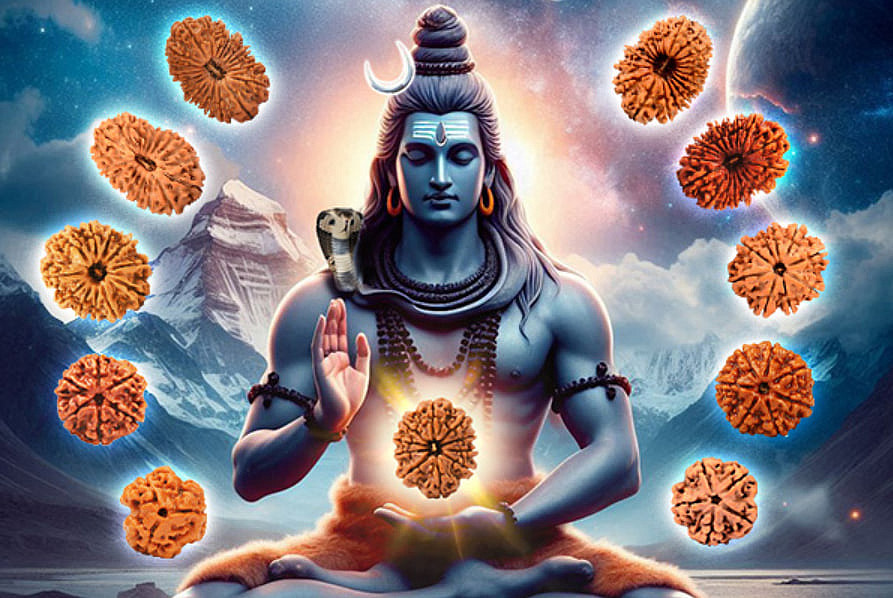
A beloved Shaiva story tells that Shiva emerged from a profound meditation with tears of compassion for living beings. Where the tears touched the earth, rudraksha trees grew. The Sanskrit name is commonly understood as “the eye” or “tear of Rudra,” a form of Shiva.
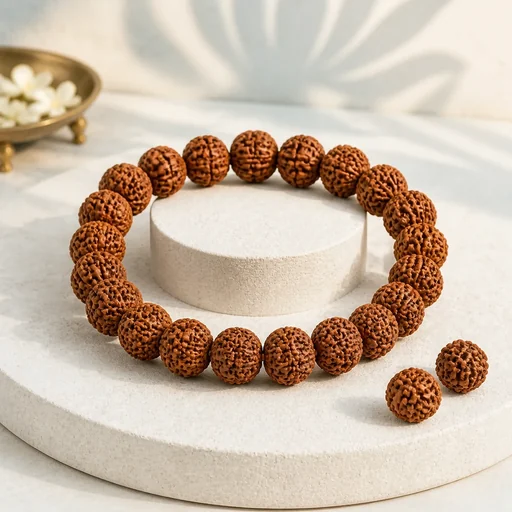
Rudraksha seeds have long been worn and used for japa in Hindu, yogic, and related traditions. Puranic and later devotional texts praise them as signs of connection with Shiva. Practitioners may understand the beads as protective, purifying, or supportive of concentration. These are sacred and cultural meanings, not medical effects established by modern clinical research.
Why rudraksha is more than an accessory
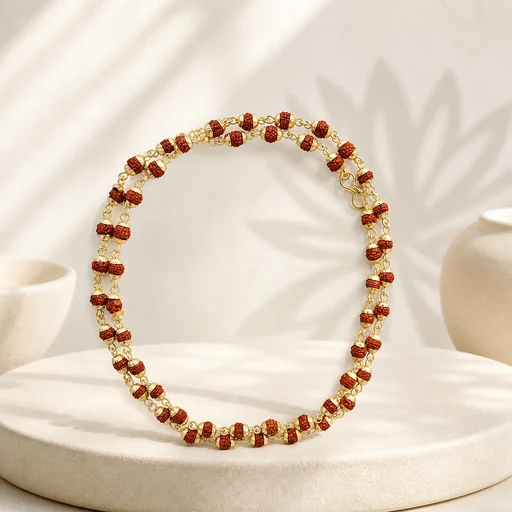
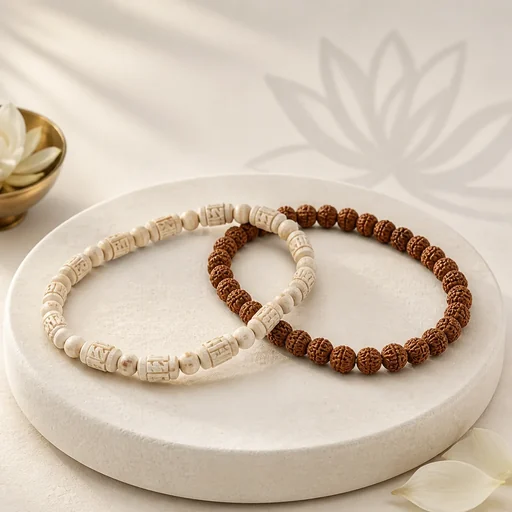
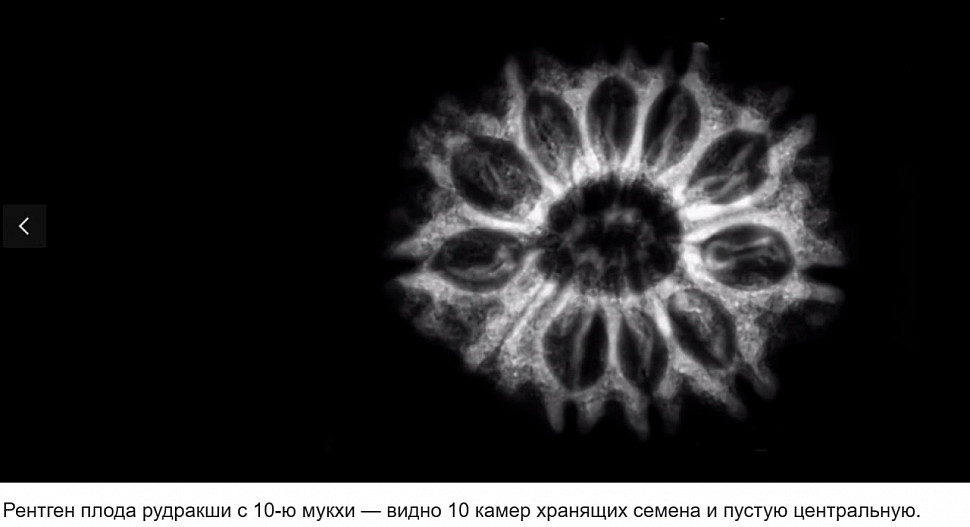
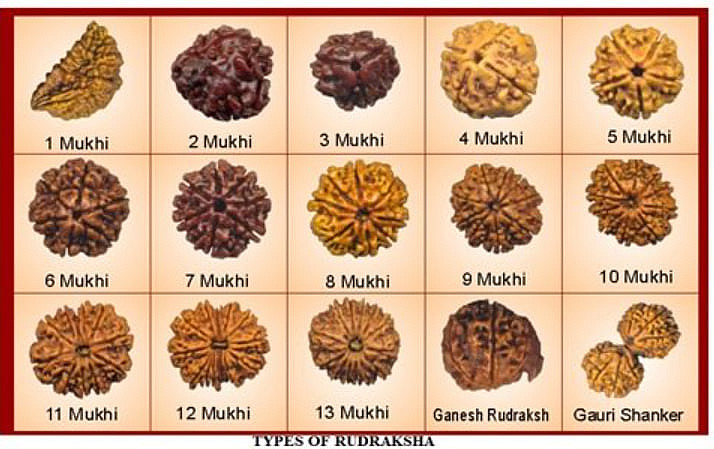
Each seed has natural longitudinal segments known as mukhi, or faces. Different mukhi counts carry different associations in traditional systems. Five-faced rudraksha is common and widely used for japa. One-faced examples are exceptionally rare and frequently misrepresented in the market. Six-faced beads have their own deity associations and ritual interpretations. Meanings can vary, so authoritative lineage guidance is more reliable than a generic chart.
The tactile surface makes rudraksha distinctive in the hand. A strand can help maintain the rhythm of mantra repetition, just as other prayer beads support counted practice. Any sense of calm or clarity should be understood in the context of the practice itself; the seed is not a treatment for anxiety, stress, cardiovascular conditions, or other health concerns.
How to choose a rudraksha bead or mala
- Inspect the natural faces: lines should run continuously from one pole of the seed to the other. Compare clear photographs rather than relying on dramatic claims.
- Check the construction: look for a sound cord, comfortable spacing, and a hole that has not split the seed.
- Ask about provenance: sellers should distinguish known sourcing from tradition, inference, and marketing language.
- Treat certificates proportionately: a document is only as reliable as its issuer and the testing performed. Review what it actually certifies.
- Do not rely on a float test: genuine seeds can float or sink depending on density and moisture, while treated or altered seeds may also pass simplistic tests.
Keep rudraksha dry between uses, avoid prolonged exposure to detergents or perfume, and follow the maker’s care instructions. Traditional observances around wearing and cleansing vary among communities.
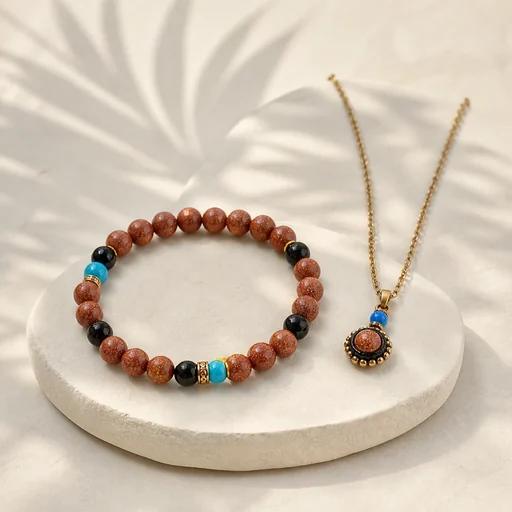
Narayana Shop offers rudraksha beads and malas selected through suppliers connected with Indian and Himalayan pilgrimage regions. Individual listings should state origin or documentation only where that information is available.
Explore the collection: rudraksha beads and malas. We can help compare bead size, mukhi count, strand length, and construction.