










The Narayana Shop Product Passport: Facts Every Product Page Should Include

An ecommerce product passport is a structured set of facts that helps a shopper understand what is pictured and offered. For Narayana Shop, it should connect actual-item photos—or a clearly identified representative variant—to material, measured dimensions and weight, contents, condition, handmade variation, documented provenance, seller identity, availability, care, delivery, returns, and review date. It is not an invented certificate. When a field is unsupported, mark it unknown instead of filling it with a story.
Passport core: identity, measurements, and images
Begin with a stable identifier, exact name, and selected variant. Color, size, material, quantity, and condition should not change between heading, gallery, selector, and cart. Use actual-piece photography for a unique handmade object. A representative model image can serve a repeatable product when the page explains variation and makes clear that the delivered shade or pattern may differ.
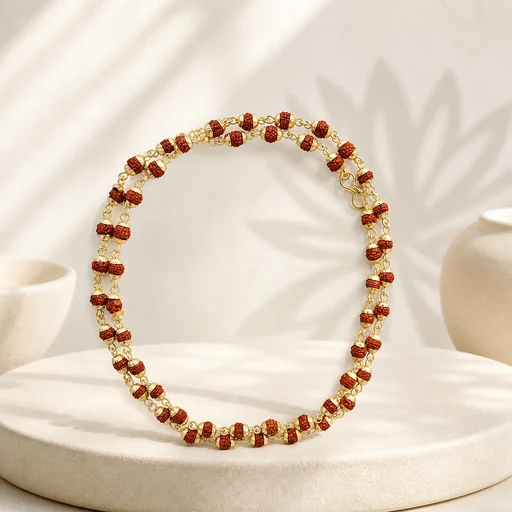
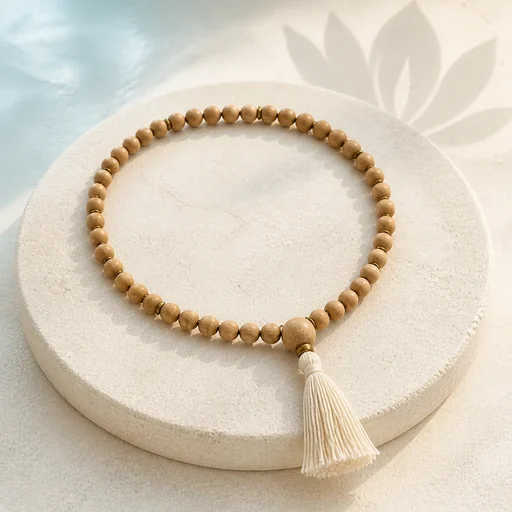
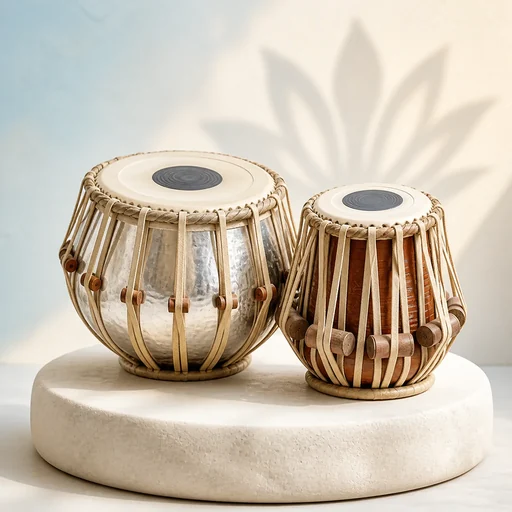
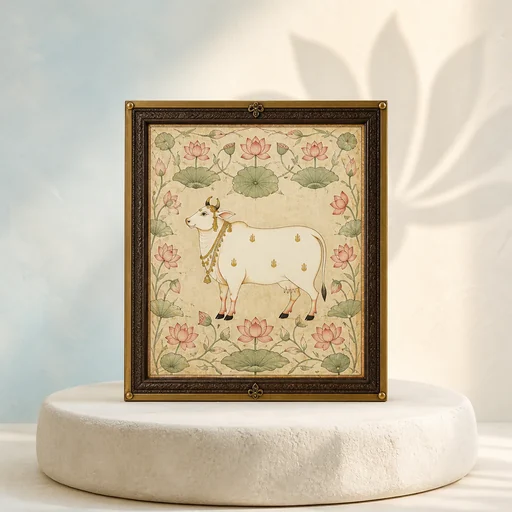
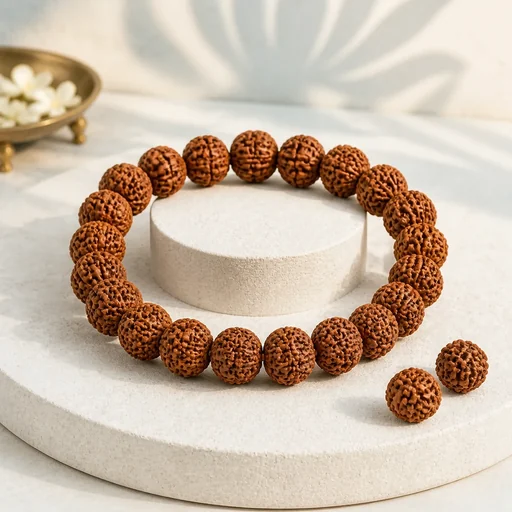
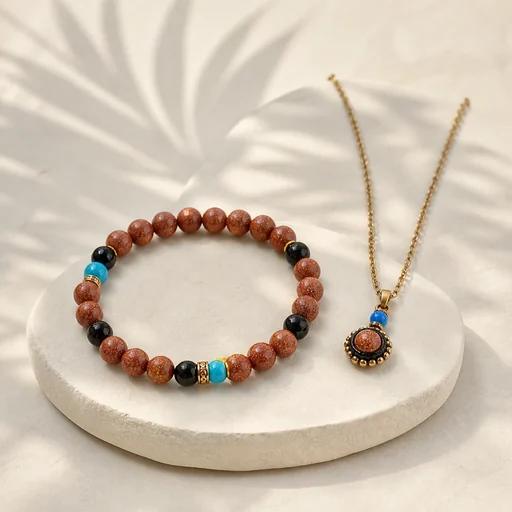
Show overall view, reverse, scale, texture, attachments, natural variation, and notable features. Google requires product imagery to represent the marked-up item rather than a logo or temporary graphic. That external principle is useful here: do not promise actual-item photography when the gallery contains only an editorial visual. Every AI-generated Journal illustration remains separate from the merchandise gallery.
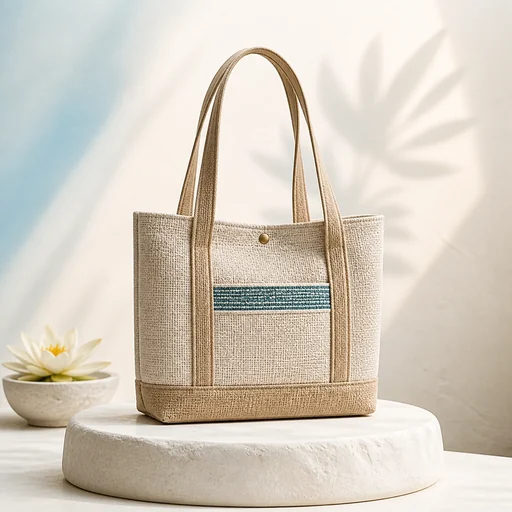
Dimensions require reference points and method. For a bag, record width and height without stretching; for a bead, diameter and hole; for a figure, maximum dimensions; for a set, each component. Say whether weight includes packaging and name the variant. Approximate values can be honest for handmade work when a reasonable tolerance is given, but never import a number from a look-alike item.
Describe materials component by component and by confidence level. “Supplier specification identifies the outer fabric as hemp textile; lining composition not stated” is stronger than “100% eco hemp” without evidence. Do not identify metal, plating, stone, wood species, or dye from color alone. Without analysis, name the trade term and its source instead of claiming authenticated identity.
| Passport field | Minimum evidence | How to show uncertainty |
|---|---|---|
| Image | Actual item or named representative sample | Label editorial or reference imagery |
| Material | Label, specification, or test | State trade term and missing verification |
| Size and weight | Item measurement with method | Give tolerance and variant |
| Contents | Physical count and group image | Do not show props as included |
| Provenance | Batch record or attributed statement | Unknown instead of a marketing legend |
| Availability | Inventory system and update time | Unavailable instead of an active button |
Live fields: provenance, condition, care, and order terms
Provenance is a chain, not one word. Record maker, workshop or brand, country of manufacture when documented, supplier, and seller as separate roles. Do not expose a maker’s private contact or wholesale price. Attribute the evidence: “stated by manufacturer,” “shown on the batch invoice,” or “supplier statement not independently verified.” A regional motif or collection name does not prove where the object was made.
Condition matters even for a new handmade item. Separate expected variation—shade, shape, inclusions, tool marks—from a defect, repair, or missing part. Make dated images of a notable feature. Handmade is not an excuse for a crack, sharp edge, or unstable attachment; it explains only the variation that the page accurately discloses.
Derive care from materials and maker instructions, not a broad category. Do not prescribe water, oil, sunlight, incense, or ritual handling for an entire class. For Ayurveda, cosmetics, and foods, the passport carries label directions, warnings, and storage without medical interpretation. For sacred objects, keep practical care separate from lineage-specific practice.
Price, stock, dispatch timing, and pickup can change faster than descriptive copy. Google recommends aligning availability across the page, product data, and checkout; record review time and disable purchase when stock is not confirmed. Do not paraphrase terms from memory: use the current delivery information and returns policy.
- Connect ID, name, variant, images, price, and cart to one record.
- Show the actual piece or clearly label representative and editorial images.
- Measure materials, dimensions, weight, and included pieces for the offer.
- Record evidence, date, and responsible editor for each material fact.
- Separate documented provenance, supplier statement, and unknown information.
- Describe natural variation separately from condition and defects.
- Sync price and availability with checkout; promise no timing without a process.
- Link current delivery and return terms instead of restating them from memory.
Final practical review: Assign every passport field an owner and update rule: photography connects image to item, catalog controls ID and measurements, procurement holds records, inventory owns stock, and editorial owns wording and bilingual parity. A source change triggers dependent fields. Before release, compare visible copy, metadata, structured data, and cart; all must describe one offer. Versioning turns the passport into a verifiable process rather than a promise that quickly expires.
Questions and answers
- Is a product passport an official certificate?
- No. It is an editorial product-page structure. A certificate, declaration, or laboratory report appears only as a separately verified record within its scope.
- Must every individual item be photographed?
- That is the strongest standard for unique pieces. A representative image can work for repeatable models when it is labeled and variation is disclosed.
- May a page omit an unknown material?
- It can mark the field unknown or give the sourced trade description. It must not identify a more desirable material by appearance alone.
- How often should availability update?
- Fast enough that page, structured data, and checkout agree. Show the review time and remove the purchase path when stock is not confirmed.
- Which supplier-document fields should remain private?
- Passwords, private contacts, wholesale pricing, and confidential details. Present the material public fields and verification status without leaking protected information.
See current options and actual product photos in the Narayana Shop handmade collection. Review the passport fields, current stock, and order terms on the individual listing.
Continue reading
Sources and further reading
- Google Search Central — Merchant Listing Structured Data.
- Google Merchant Center — Product Image Requirements.
- Your Europe — Consumer Rights When Shopping Online.
This passport defines the intended page standard; it does not assert that every field is already documented for every item. Each published fact requires a catalog record, image, measurement, or source document.