

















Buying Imported Products Online: Labels, Documentation, and Package Integrity
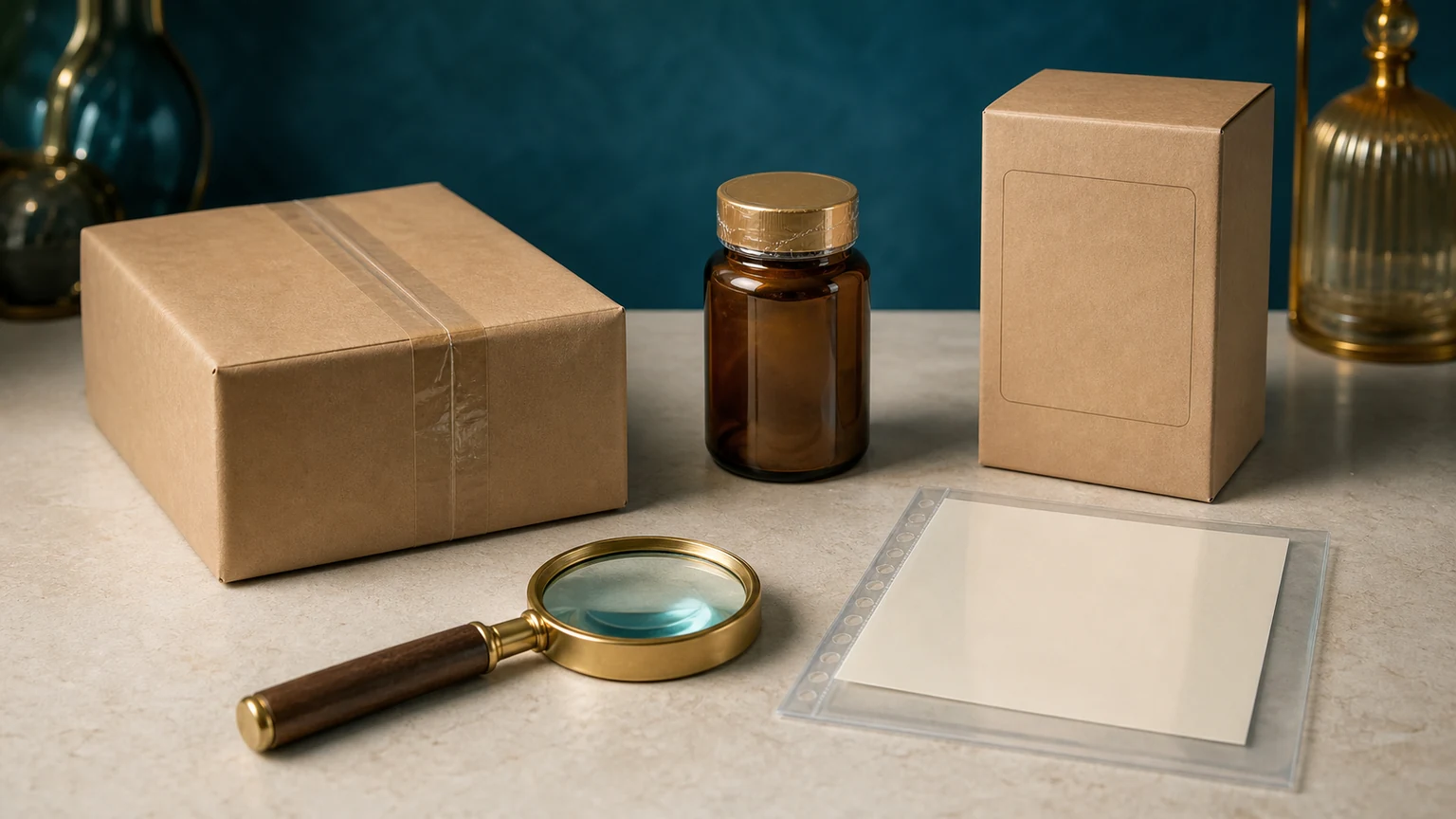
Checking an imported product online means matching a chain of facts: seller identity, product category, destination-market label, manufacturer and responsible party, item-specific records, batch and shelf information, plus package and seal integrity. A barcode, QR code, or foreign-language panel cannot guarantee authenticity by itself. Foods, cosmetics, personal-care products, and other regulated categories follow different rules, so a final legal review must address the particular category and market.
Before payment: seller, listing, and documentation
Begin with the seller. The site should provide intelligible business details and a usable contact route, while payment, delivery, and return terms should be accessible before checkout. Save a dated PDF or screenshots of the product name, variant, net quantity, ingredients or material, included items, price, availability, and stated timing. This is not a legal determination, but it records what was offered.
Classify the product. Food, cosmetics, hygiene products, textiles, and souvenirs require different information and conformity routes. Do not ask for one universal import certificate. Ask a precise question: which record applies to this category, to what product name, maker, code or group, and what are its current status and validity?
Read the destination-language label alongside the original. Check identity, ingredients or material, quantity, maker, country of manufacture only when declared, importer or responsible party, lot, dates, storage, directions, and warnings. Rospotrebnadzor explains mandatory digital marking for covered product groups, but the scope changes; Data Matrix is not required on every souvenir and never replaces other relevant records.
Use the official registry or regulator source when digital marking, a declaration, or another regime applies. Match status and scope, not just a number. A file named certificate.pdf, a seal in a screenshot, or a record for a similar brand does not substantiate the item. Private supplier contacts and confidential annexes can remain redacted while the material public fields stay verifiable.
| Stage | Match | Not a guarantee |
|---|---|---|
| Listing | Name, variant, formula, contents, seller | A photo of a similar product |
| Label | Original panel and local sticker | Foreign text by itself |
| Record | Category, maker, product, validity, status | One file without registry or scope |
| Code | Official app and matching information | A QR code leading to advertising |
| Package | Seal, batch, dates, no damage | A polished box without required labeling |
Receiving checks and a useful problem report
Before opening, photograph every side of the parcel, especially dents, tears, wet areas, and carrier labels, while keeping your address private. Then document the opening sequence. Confirm quantity and variant, consumer-package integrity, any intended tamper feature, and agreement of dates and lot codes between outer and inner components.
Stop signals depend on category, but leakage, swelling, cracks, evidence of resealing, an altered expiry, damp food, foreign odor, or a missing required insert call for a pause. Do not taste or apply a regulated product until the seller reviews the issue. Keep the shipping carton, labels, receipt, and all components.
Write a factual report: order number, exact item, receipt date, batch code, observable mismatch, and requested resolution. Do not accuse a seller or manufacturer of counterfeiting from one damaged seal. Carrier damage, a picking error, outdated copy, and an authenticity question are different scenarios and require different checks.
Even when the item looks sound, read the directions before use. Ask a qualified professional about allergy, pregnancy, medication, pediatric use, or health concerns. Do not restate return periods from memory; open the store’s current policy and applicable law. This article is a verification route, not a legal opinion on a particular dispute.
- Save the dated listing, seller, price, contents, availability, and order terms.
- Identify the commercial and regulated product category before requesting records.
- Match original and destination labels without inferring origin.
- Check the relevant record, its official registry, scope, and validity.
- Photograph the sealed parcel and opening process while hiding personal data.
- Match variant, quantity, seal, lot, dates, and included components.
- Do not use a leaking, swollen, opened, or unclearly labeled product.
- Report observable facts and keep the packaging until resolution.
Final practical review: Keep one verification folder with the dated listing, order confirmation, original and local label images, public document fields, official-registry result, and receiving photos. Name files by order reference without passport details, phone number, or full address. Share only material relevant to a dispute. This preserves chronology, prevents batch confusion, and limits disclosure of personal and commercial information.
Questions and answers
- Does every imported product require a certificate?
- No single document covers all categories. Identify the product type and applicable requirements before requesting the relevant evidence.
- Must every product carry Data Matrix?
- No. Mandatory digital marking covers specified groups and changes over time. Check the current regulator list for the category.
- Does a successful QR scan prove authenticity?
- It is one data point. Check the official domain, batch and maker match, records, seller, and packaging; the code is not a universal guarantee.
- What should I photograph after damage?
- The shipping carton, labels, every side of the sealed consumer package, tamper feature, lot, dates, damage, and contents, while hiding addresses and personal data.
- Where should I take a dispute?
- Start with the seller’s current service and returns process. For legal assessment or a complaint, use the competent authority for the purchase location and product category.
See current options and actual product photos in the Narayana Shop Ayurveda and yoga collection. Review current labeling and available item-specific documentation before payment.
Continue reading
Sources and further reading
- Rospotrebnadzor — Mandatory Digital Product Marking.
- Rospotrebnadzor — What to Check on a Product Label.
- Eurasian Economic Commission — TR CU 022/2011 on Food Product Labeling.
- Your Europe — Consumer Rights When Shopping Online.
This material is not legal or medical advice and does not guarantee authenticity. Requirements must be checked for the specific category, batch, seller, market, and purchase date.