















“Made in Vrindavan”: What Provenance Facts a Seller Should Disclose

“Made in Vrindavan” becomes useful provenance only when a seller explains what actually connects the product to the city: cultivation, bead making, strand assembly, purchase from a local supplier, or shipment. Those facts are not interchangeable and should be supported at the lot level.
What “from Vrindavan” can mean on a product page
The official Mathura District site places Vrindavan within the district, while Uttar Pradesh government tourism resources explain its religious context. That establishes geography and cultural importance, not the origin of an individual object. Place reference is the beginning of verification, not product evidence.
The narrowest useful statement may be “purchased from a supplier in Vrindavan.” An invoice, purchase record, or shipment document can support it. That record does not reveal where the plant grew or where the beads were turned. If this is all the seller knows, the statement can remain at that level without amplification.
“Assembled in Vrindavan” allows for components from elsewhere while stringing, knotting, or packaging occurred in the city. “Made by a Vrindavan artisan” requires a link between workshop and lot. “Material grown in Vrindavan” is more specific still and needs evidence about raw material rather than only the maker’s address.
The World Trade Organization describes rules of origin as criteria used to determine where a good was made and emphasizes the difficulty of supply chains in which inputs cross borders. A retail article need not issue a customs ruling, but it should adopt the central discipline: finished-product origin and component origin may differ.
GS1 defines traceability through the ability to follow the history, application, or location of an object and connects that work to materials, processing, suppliers, and distribution data. A small bead lot does not require an enterprise platform. It does require a consistent record that maps to the SKU.
Provenance facts and documents a seller should disclose
A buyer does not need an artisan’s home address, private phone number, or wholesale price. The useful structure is: who made the claim, when the lot was received, what happened in Vrindavan, and what record supports it. Personal data can be redacted while date, document type, organization, and anonymized lot identifier remain visible.
| Claim level | Appropriate basis | Careful wording |
|---|---|---|
| Place purchased | Invoice, shipment record, or purchase log from a local supplier | “Purchased from a supplier in Vrindavan” |
| Place assembled | Workshop order or correspondence tied to a lot | “Assembled in Vrindavan; component origin stated separately” |
| Place beads were made | Maker record connecting raw material and finished lot | “Beads turned in Vrindavan according to the maker’s record” |
| Material origin | Traceable raw-material and supply records | “Material stated as grown in…; basis is the lot document” |
| Oral statement only | A recorded supplier claim without independent check | “Origin supplied by the vendor and not independently verified” |
- Define the claim. Separate material, processing, assembly, and purchase locations.
- Connect it to the product. Match SKU, lot, date, and photograph.
- Identify the source. Determine whether the record came from maker, supplier, carrier, or laboratory.
- Preserve limitations. Do not convert an oral statement into “verified provenance.”
- Protect privacy. Publish sufficient facts while redacting signatures, phone numbers, and commercial terms.
- Review every lot. A new shipment does not inherit an older lot’s origin automatically.
A practical internal lot record includes a supply code, date, supplier, stated place grown, place processed, supporting files, and the reviewer. A public version may be shorter but should be reproducible from that record. Empty fields should not be filled with atmosphere.
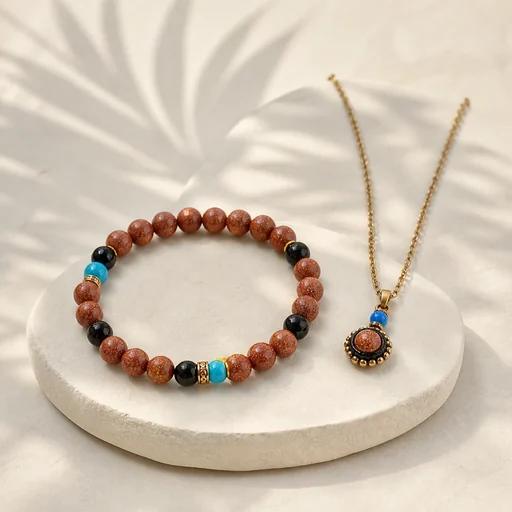
A maker interview supplements documents by explaining technique, tools, and workflow. Without a lot connection, it remains a workshop story. Photographs should either show the actual lot or carry an editorial-illustration disclosure so viewers do not infer more than the image establishes.
Codes and labels should not be overread. A barcode prefix can identify the organization that licensed the number rather than the place of manufacture. Mandatory marking systems apply to defined product categories and do not replace provenance records for an entire catalog. Consumer information must remain accurate and appropriate to the product and jurisdiction.
When records conflict, pause the public origin claim without hiding the product. The page can say that the place of manufacture is being clarified or omit geography. Update the wording, date, and evidence after verification. This approach creates stronger trust than a story that later requires correction.
For organic search, one transparent guide is more valuable than repeated unsupported phrases about “authentic sacred Vrindavan Tulsi.” Search and answer systems can cite definitions, field lists, and limits. A place name should never become an automatic tag on items whose provenance is unknown.
Questions and answers
- Is a receipt from a Vrindavan store enough?
- It supports the place of purchase from the named seller, not necessarily where the material grew or the object was made.
- Can a maker interview prove origin?
- It helps when tied to a lot, date, and objects. A general account documents workshop practice but not the complete product chain.
- Must the full invoice be published?
- No. Private and commercial fields may be redacted while document type, date, lot reference, and product link remain clear.
- What should a seller say when documents are missing?
- Do not claim verified origin. If relevant, state precisely that the information comes from a supplier and was not independently confirmed.
See current options and actual product photos in the Narayana Shop kanthi mala collection. Use geography only on listings with a clear evidentiary basis.
Continue reading
Sources and further reading
- District Mathura, Government of Uttar Pradesh — official district resource and Vrindavan geography.
- World Trade Organization — Rules of Origin gateway.
- GS1 — Global Traceability Standard.
Provenance is disclosed lot by lot. Geographic and religious context does not replace product records.