




Tulsi, Tulasi, Kanthi, and Kanti Mala: A Clear Terminology Guide
Tulsi, tulasi, tulasī, kanthi, and kanti mala do not name five different materials. The first three usually refer to holy basil, Ocimum tenuiflorum, while kaṇṭhī-mālā commonly means neck beads in Vaishnava usage. Spellings shift among Devanagari, scholarly romanization, English, and other languages, so a product page should define the object instead of declaring one unmarked spelling universally correct.
Tulsi, tulasi, and tulasī: one plant across writing systems
NCBI Taxonomy connects Ocimum tenuiflorum with the common name holy basil and the synonym Ocimum sanctum. A Vaishnava source separately demonstrates Tulsi terminology for neck and chanting beads. The scientific name separates the plant from other basils, but material identification for a finished bead still depends on item-specific evidence.
The Sanskrit तुलसी is commonly romanized tulasī in scholarly systems; the mark over final ī indicates a long vowel. The Library of Congress research guide explains the difference between technical and conventional romanization for South Asian languages and links to the ALA-LC tables. Everyday catalogs omit those marks, producing tulasi and tulsi. Those forms do not necessarily identify different plants.
US-English editorial copy can use “Tulsi” as the familiar common name and introduce “tulasi” or tulasī once. Repeating every spelling in each paragraph for search visibility makes the page less readable and falsely suggests separate concepts. Search variants belong in a useful explanation, not a keyword inventory.
Capitalization can express respectful personification in devotional writing, yet it is not a universal rule for every editorial context. In botanical notation, the genus Ocimum is capitalized, the species epithet tenuiflorum is lowercase, and both are italicized. A store title can remain plain while the article supplies exact terminology.
Kanthi, kanti mala, and japa mala: a practical table
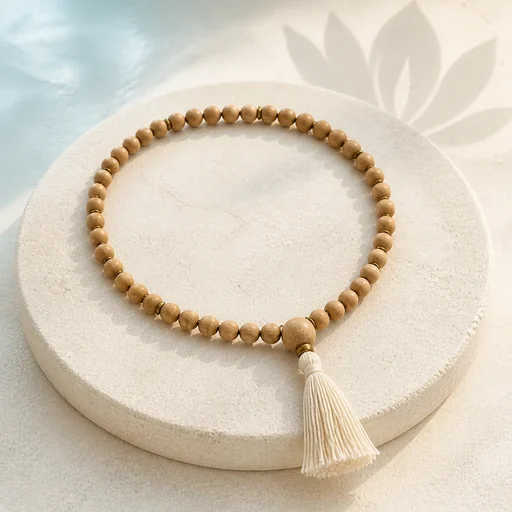
Bead terms vary by language and community. Vaishnava sources use kaṇṭhī-mālā and gloss it as neck beads. They distinguish japa-mālā, carried for chanting or counted repetition. Both may use Tulsi, but their purpose and construction should not be assumed to be identical.
| Form | Plain meaning | Catalog use |
|---|---|---|
| tulasī | Scholarly romanization of the plant name | Use in a glossary or first precise explanation |
| tulasi / tulsi | Common forms without diacritics | Natural search variants, not a repeated list |
| kaṇṭhī-mālā / kanthi mala | Neck beads in Vaishnava usage | Define once, then use “kanthi mala” consistently |
| kanti mala | A simplified spelling encountered online | Treat as a spelling variant, not a separate product type |
| japa mala | Beads used for counted recitation | Do not merge automatically with neck beads |
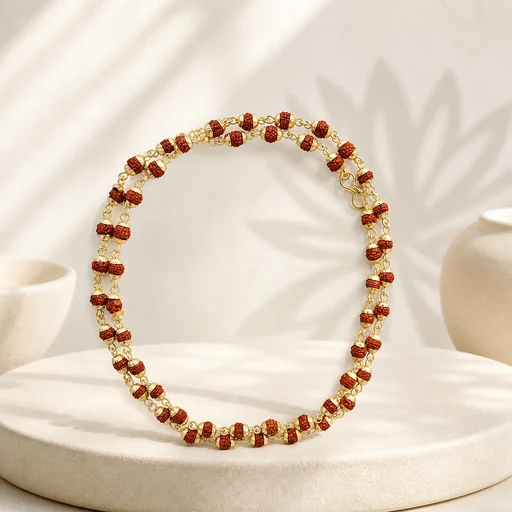
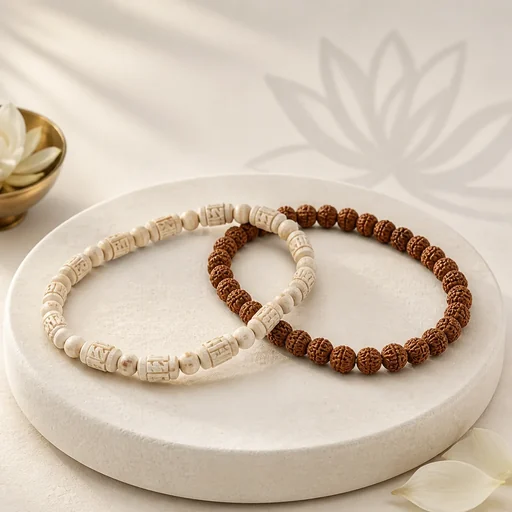
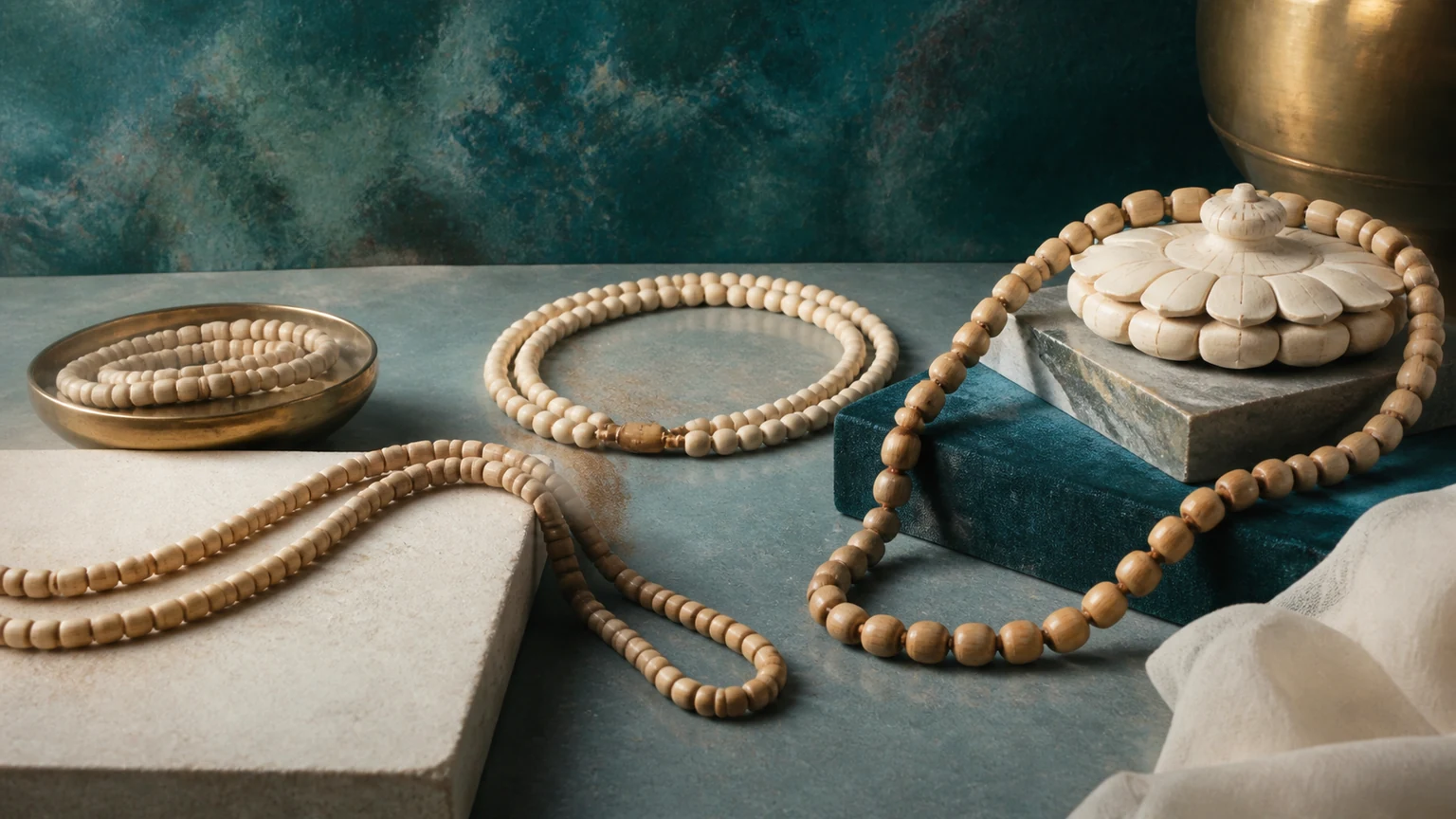
A practical product name is “two-row Tulsi kanthi mala,” followed by verifiable construction details: length, bead shape and size, closure, and knotting. “Genuine sacred-wood kanti” is less useful because it does not describe construction or state the basis for the material claim. If Tulsi identity comes from a supplier statement, that basis can be disclosed.
CMS tags can stay compact: Tulsi, kanthi mala, neck beads, and Vaishnava tradition. Separate landing pages for every spelling are unnecessary. One strong article can explain the variants, while search systems infer their relationship from context.
Preserve a maker’s own terminology in a quotation and add a clear editorial gloss. If a community uses a word differently, consult that community before “correcting” it. A respectful glossary maps usage rather than erasing regional or lineage-specific distinctions.
Also check that “Tulsi” is not being used as a person’s name, brand, or color label. Material belongs in composition or product-description fields, while cultural terminology needs context. That separation helps both readers and structured search systems understand the listing.
Questions and answers
- Are Tulsi and tulasi different plants?
- Usually they are spelling variants of the same common name. Check the scientific name and item-specific material description for precision.
- Is kanthi or kanti more accurate?
- “Kanthi” better preserves the consonant represented in kaṇṭhī. “Kanti” is a common simplification, so it can be acknowledged without treating it as a distinct object.
- Is a kanthi mala the same as japa beads?
- Not necessarily. In Vaishnava usage, kanthi mala generally means neck beads; a japa mala is used for counted recitation. Describe the actual construction.
- Must a product title include diacritics?
- No. Diacritics add value in a glossary and scholarly context. A product title can use accessible, consistent spelling while preserving the correct meaning.
See current options and actual product photos in the Narayana Shop kanthi mala collection. Check material, row count, and measurements on the individual listing.
Continue reading
Sources and further reading
- NCBI Taxonomy — Ocimum tenuiflorum, holy basil, and its taxonomic synonym.
- Library of Congress — South Asian romanization and search strategies.
- Bhaktivedanta Vedabase — institutional usage of kaṇṭhī-mālā as neck beads and japa-mālā as chanting beads.
Terminology varies across languages and communities. This glossary documents usage rather than imposing universal religious rules.