
Mala Sizing and Fit: Bead Diameter, Necklace Length, and Wrist Measurement
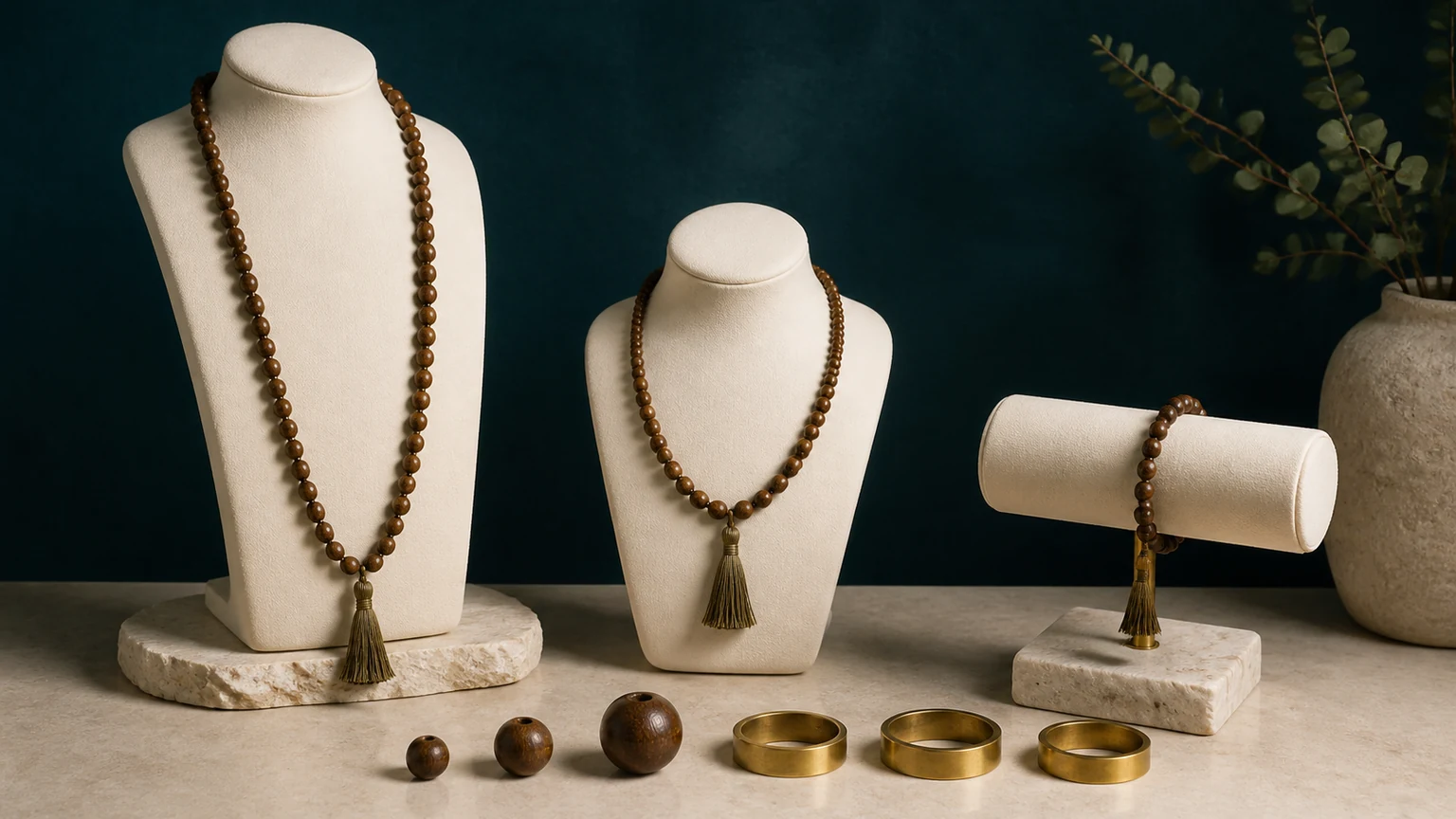
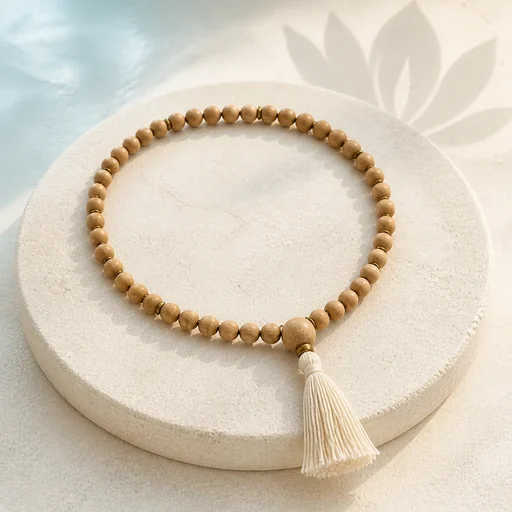
Mala sizing cannot be reduced to one number. Bead diameter changes visual scale, weight, and tactile spacing; full strand length determines where the lowest point may fall; knots, markers, and a tassel add material; a wrist mala also depends on wrist circumference and the wearer’s preferred ease. A reliable choice starts with item-specific measurements and a simple home mock-up, not a promise that 6, 8, or 10 mm will fit everyone.
Three measurements that should never be conflated
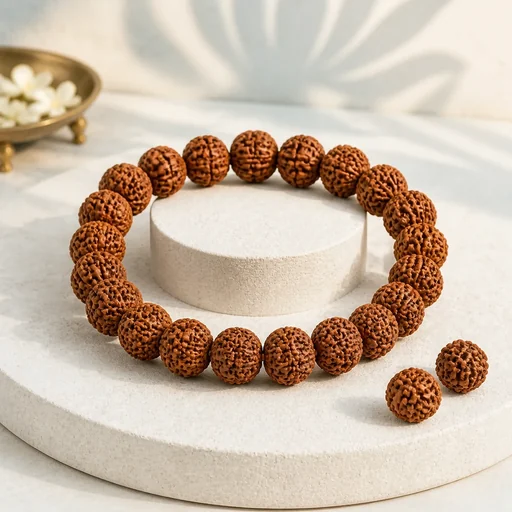
The first measurement is bead diameter. For a round drilled shape, measure the widest line perpendicular to the channel. CIBJO specifies that orientation for round drilled pearls, and GIA describes round pearl size in millimeters. A mala is not a pearl strand, but the geometry provides a useful, repeatable convention. Oval and barrel shapes need at least length and width because one value hides the profile.
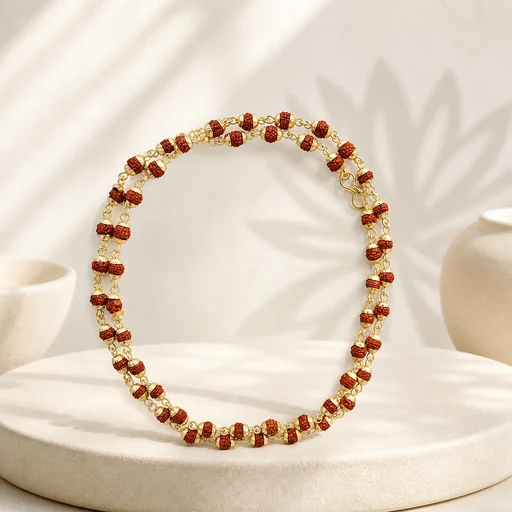
The second measurement is strand length. A closed necklace can be reported as its full circumference when laid flat without tension, or as the half-drop from its top point to the bottom. An open mala with a tassel can have a working-strand length and a longer total length. Those values may differ dramatically, so “18 inches” or “45 cm” is incomplete unless the listing names the method and shows a diagram.
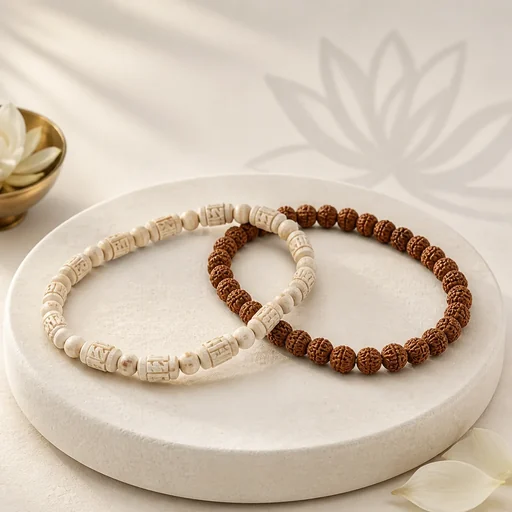
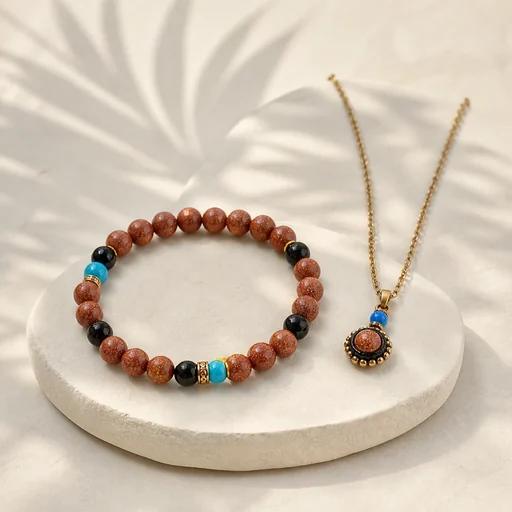
The third measurement is wrist circumference. Place a flexible tape where the bracelet will sit, touching the skin without compressing it. Record that body measurement before adding ease. One person may want limited movement while another prefers a looser fit. Larger beads occupy more internal space, so identical outside circumferences do not necessarily create the same usable opening.
Weight is a separate practical dimension. A 10 mm sphere looks only modestly larger than an 8 mm one, yet volume increases faster than diameter. Real beads have holes, variable material density, knots, and findings, so calculation never replaces an actual weight. If extended wear matters, look for the measured mass rather than estimating it from a photograph.
| Parameter | How to measure | Common mistake |
|---|---|---|
| Round bead diameter | Calipers perpendicular to the drill-hole axis, in mm | Measuring along the channel or its shadow |
| Barrel bead | Length × maximum width | Giving one number without the shape |
| Closed mala | Full circumference without stretch | Publishing the half-drop as full length |
| Mala with tassel | Working length and total length separately | Including the drop without saying so |
| Wrist | Flexible tape without compression | Adding ease before recording the body measurement |
Comparing 6, 8, and 10 mm and testing fit at home
The labels 6, 8, and 10 mm describe geometry, not quality. A smaller bead usually creates a finer visual line and a shorter tactile interval; a larger one is more prominent and separates the fingers farther. Texture, shape, knot spacing, and strand flexibility can change that experience. Compare images captured at one scale and ask for a range when organic beads vary slightly.
For a necklace, make a mock-up from soft cord. Measure the stated full circumference, close it with a safe temporary knot, and check the position over the clothing you expect to wear. Do not copy the drop shown on a model: height, neck shape, collar, and camera angle all change the image. A mock-up approximates the lowest point but cannot reproduce bead mass, rigidity, or thickness.
For a wrist mala, use a paper strip or nonstretch cord cut to the stated inside circumference. Check whether a clasp-free construction can pass over the hand and whether it presses when the wrist bends. Elastic makes dressing easier but does not erase sizing; constant overextension can fatigue the material. A multi-row design needs measurements for its actual geometry rather than a one-row assumption.
The final comparison should use the specific listing: bead diameter or range, full length with a named method, mass, stringing material, clasp, and return terms. A photograph on a neutral form helps, but it does not replace numbers. Ask before purchasing when values conflict, and retain the seller’s item-specific response with the order record.
When choosing remotely, retain your starting measurements and compare them with listing numbers rather than a model image alone. After delivery, try the piece over a soft surface during ordinary movements before extended wear: sit, raise the arms, bend the wrist, and note pressure or snagging. Do not overstretch elastic while deciding, especially when return terms require an unworn condition.
Record the result neutrally: where the lowest point falls, how much movement remains, and which bead diameter feels manageable. That note will guide a later purchase better than an undefined request for a standard size.
- Record bead diameter and shape; request a range for variable organic materials.
- Confirm whether the listing gives circumference, half-drop, or total length with a pendant.
- Measure the wrist without compression and choose ease as a separate decision.
- Make a cord mock-up and test it with normal clothing and hand movement.
- Verify measured weight, stringing material, clasp, stretch, and return terms.
Questions and answers
- Are 8 mm beads always more comfortable than 10 mm beads?
- No. They are smaller in diameter, but comfort also depends on material density, texture, knots, length, and the wearer’s habits. Compare actual measurements and weight.
- Why can two 108-bead malas have different lengths?
- Bead diameter and shape, knots, spacers, the head bead, and strand tension all contribute. A count of 108 does not define the finished circumference.
- How much should I add to my wrist measurement?
- Ease is a separate preference and depends on construction. Keep the uncompressed wrist value, then compare it with the item’s inside circumference or tested size chart.
- Can I judge mala length from a model photograph?
- Only roughly. The model’s measurements, camera scale, and clothing are unknown. Use the stated circumference and a home cord mock-up instead.
See current measurements, options, and actual product photos in the Narayana Shop mala and prayer-bead collection. Use the individual listing because natural beads and hand assembly can create measurable variation.
Continue reading
Sources and further reading
- CIBJO Pearl Book 2024 — millimeter measurement of round drilled beads.
- GIA — how round beads are measured by diameter.
This educational guide supports size comparison and does not replace trying on an item. It does not promise universal fit or connect bead diameter with physical or spiritual outcomes.