



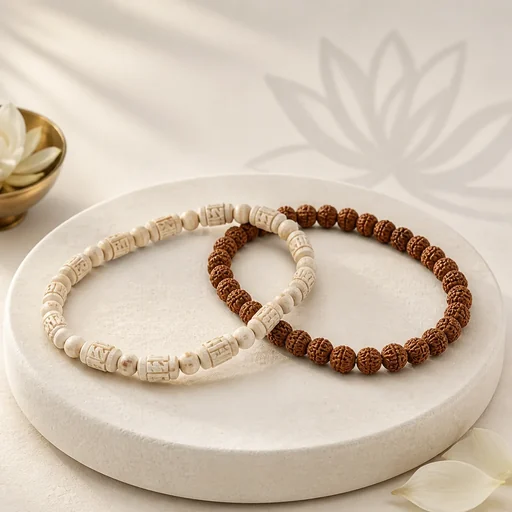
Nepal vs Indonesian Rudraksha: An Honest Comparison of Size, Texture, and Origin
Compare Nepal and Indonesian rudraksha through item-specific evidence: dimensions, weight, texture, channel condition, and a documented provenance chain. Appearance can suggest the next question to ask, but it cannot prove where an individual bead was grown or finished.
Nepal vs Indonesian rudraksha without shortcuts
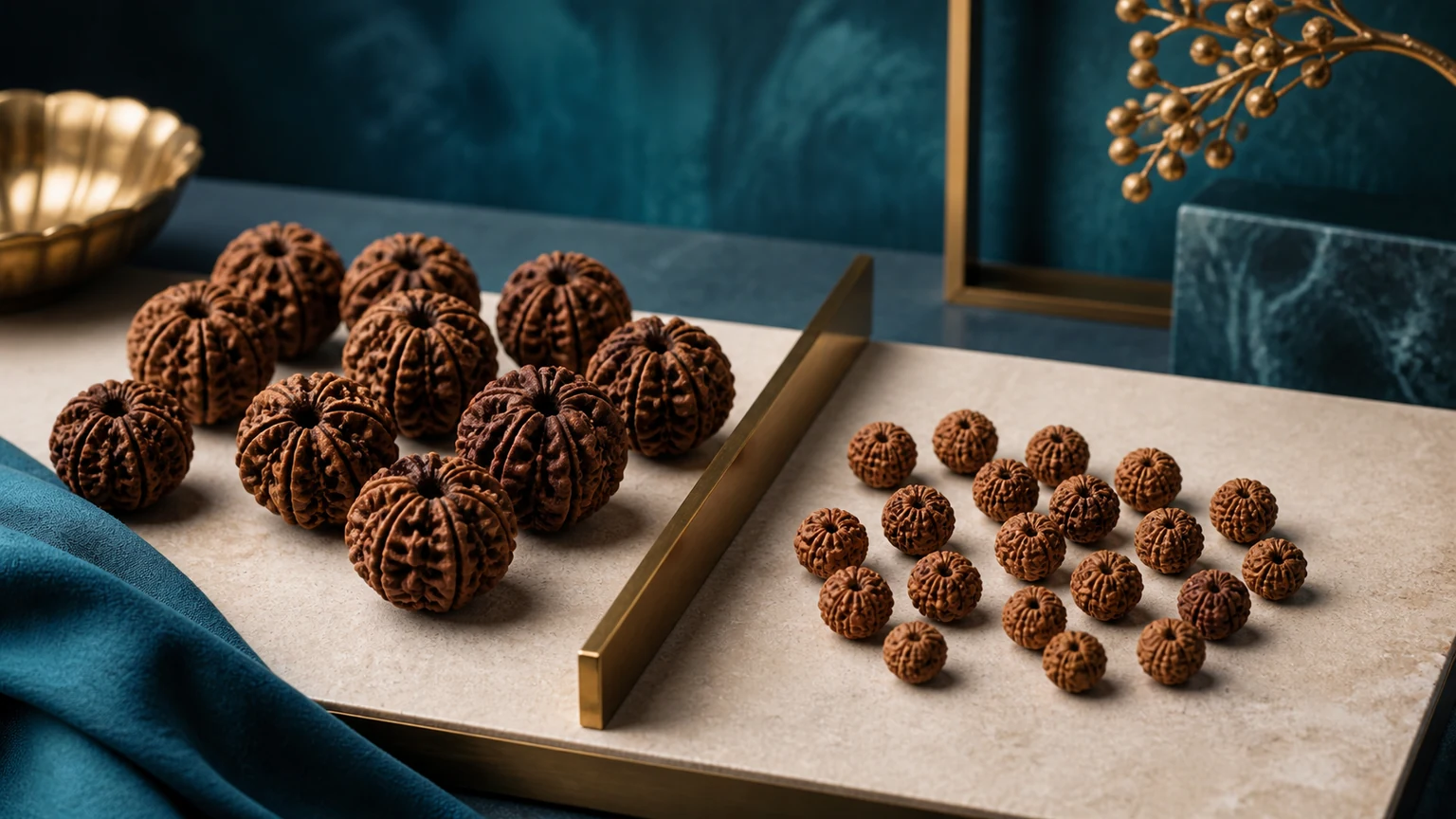
Retail guides often describe Nepal beads as larger and more deeply textured, while Indonesian or “Java” beads are presented as smaller and smoother. Those descriptions may fit selected lots, but they are not universal botanical rules. Fruit growth, natural variation, cleaning, and sorting produce ranges. Without supporting records, a geographic name remains a seller’s assertion.
Taxonomy adds useful context but does not solve provenance. Kew treats Elaeocarpus ganitrus as a synonym of another accepted name, while biodiversity repositories combine records from many datasets. These authorities help readers understand the plant and recorded occurrences. They cannot determine where a bead in a product photograph came from. A species distribution record is not an item-level supply document.
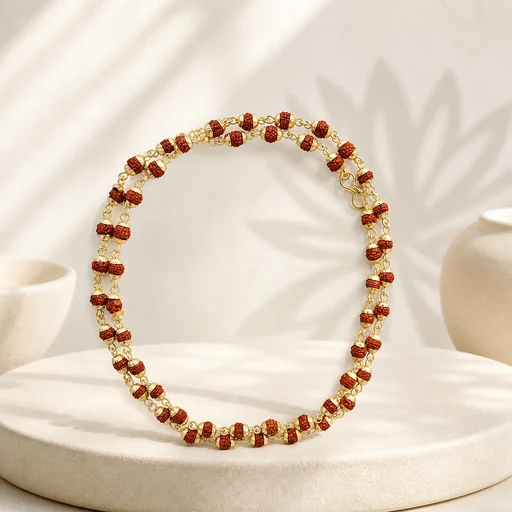
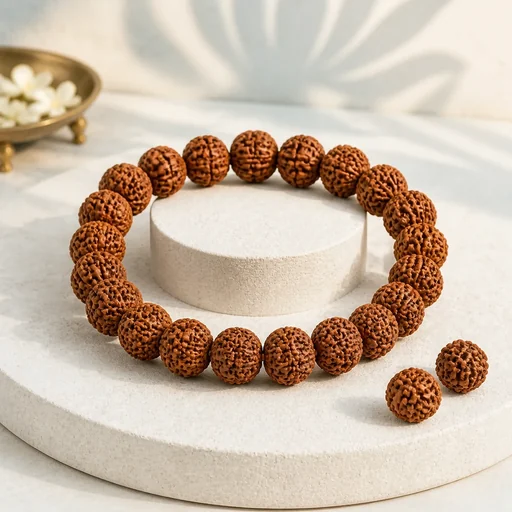
Record size in millimeters along at least two axes because the bead may not be spherical. Keep weight separate. For a finished mala, also note bead count, end-to-end or loop length, spacers, and strand construction. Two pieces with the same bead count can fit very differently when diameter, shape, spacing, and knots change.
Describe texture with observable language: deep longitudinal grooves, low rounded relief, visible asymmetry, or darker material within recesses. Terms such as “more powerful,” “stronger,” and “highest grade” do not tell a buyer what is present. They also risk blending material quality with religious interpretation.
A practical item-by-item comparison
Compare only evidence produced in a similar way. Place images side by side, normalize the scale, and complete each row below. When a field is missing, write “not stated” instead of reconstructing it from appearance. This is crucial for provenance. GS1 defines traceability through data that can follow an object’s history, application, or location across the supply chain.
| Criterion | Ask for | Use it to assess |
|---|---|---|
| Size and weight | Diameter, height, and weight of the exact bead or a documented lot range | Hand feel, spacing, and finished size |
| Relief | Evenly lit macro views from several sides | Texture, condition, cracks, and tool traces |
| Channel | Both entries, diameter, and preparation method | Cord compatibility and pole condition |
| Provenance | Place grown, place finished, supplier, lot number, and date | Separate a traceable chain from a broad label |
| Report | Issuer, method, scope, and item identifier | Avoid extending a report beyond what it examined |
| Construction | Cord, knots, markers, and repair options | Choose practical serviceability as well as origin |
For online evaluation, a useful set includes an overall view, both poles, and a profile beside a millimeter scale. Similar color temperature matters. A dark bead under hard side lighting can appear much more deeply grooved than the same bead under soft light, so photographs from separate sellers do not provide a direct relief ranking. A rotation video adds context but does not replace measurements.
If a listing says “Nepal,” ask whether that refers to cultivation, purchase, cleaning, or final assembly. Apply the same question to “Java.” A bead may cross borders before it becomes part of a finished mala; origin of the plant material and place of assembly can therefore be different facts. A transparent description discloses both when they are documented.
Once the records are comparable, return to function. A pronounced tactile step may matter for regular counting. Lower overall bulk may matter for portability. A collector may prioritize exact-item photography and an identifiable report. No region makes every bead automatically comfortable for every person.
Questions and answers
- Are Nepal rudraksha beads always larger?
- No universal rule allows a place name to replace measurement. A particular lot may show that tendency, but compare actual millimeter dimensions.
- Can a smoother surface identify a Java bead?
- Smoothness reflects natural variation, cleaning, wear, oil, and lighting. It can describe the object but cannot settle provenance.
- What provenance document is most useful?
- A record that ties the exact item or lot to a supplier, date, place, and clear method. A decorative generic certificate without an identifier provides less verifiable information.
- Which origin is best for a first mala?
- Start with a comfortable size, weight, and strand format, then review condition and documentation. Include region if it matters to you and the claim is traceable.
See current options and actual product photos in the Narayana Shop rudraksha collection. Rely on provenance only where the individual listing supports it.
Continue reading
Sources and further reading
- Royal Botanic Gardens, Kew — taxonomic record for Elaeocarpus ganitrus.
- Global Biodiversity Information Facility — species record and associated biodiversity data.
- GS1 — Global Traceability Standard for origin, process, and distribution data.
This comparison is educational. Geographic origin cannot be inferred reliably from size, color, or surface relief without documentation for the specific item.