


Narayana Journal — Practice, Culture and Meaningful Living
Narayana Journal
Practical guides to meaningful objects and mindful living
Evidence-aware guides to rudraksha, tulsi, malas, natural materials, incense, puja objects, handmade craft, care, and responsible choice. Traditional meanings are presented as cultural context—not as medical advice or guaranteed results.
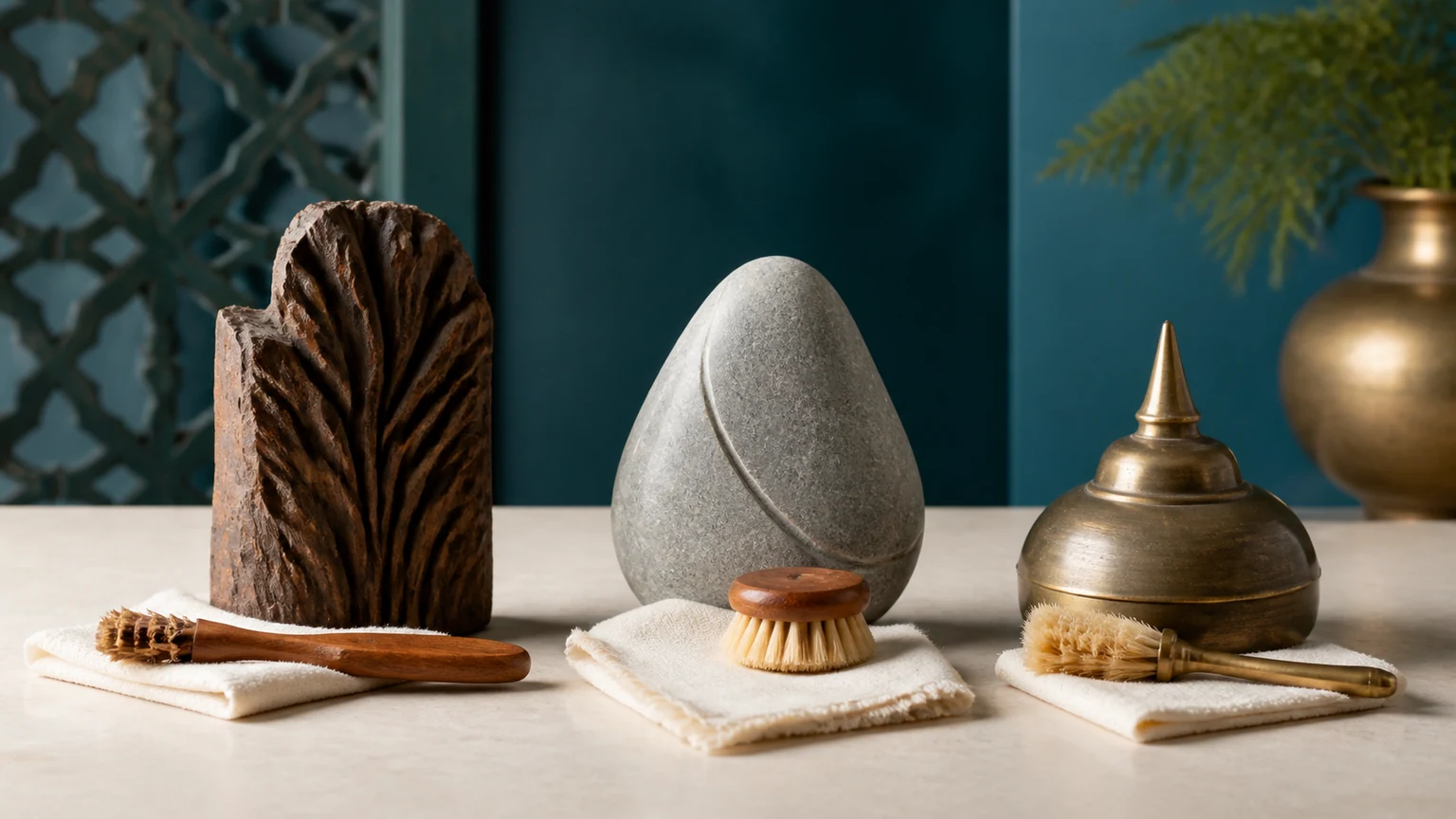
Safe care starts with positive identification of material and finish, a condition record, and the least invasive action.
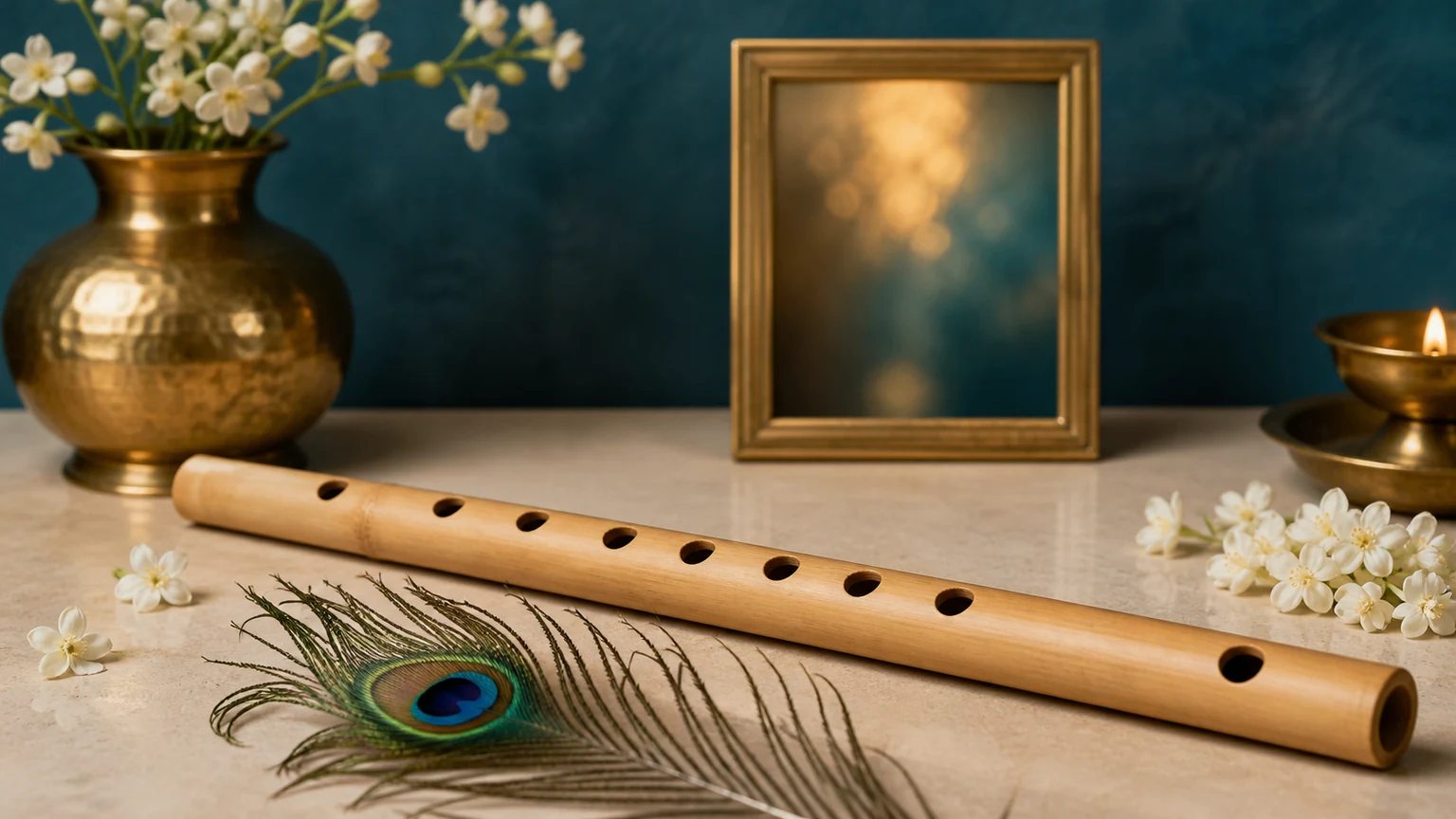
A flute, peacock feather, or paired image gains meaning from a documented work, not from a universal symbol dictionary.
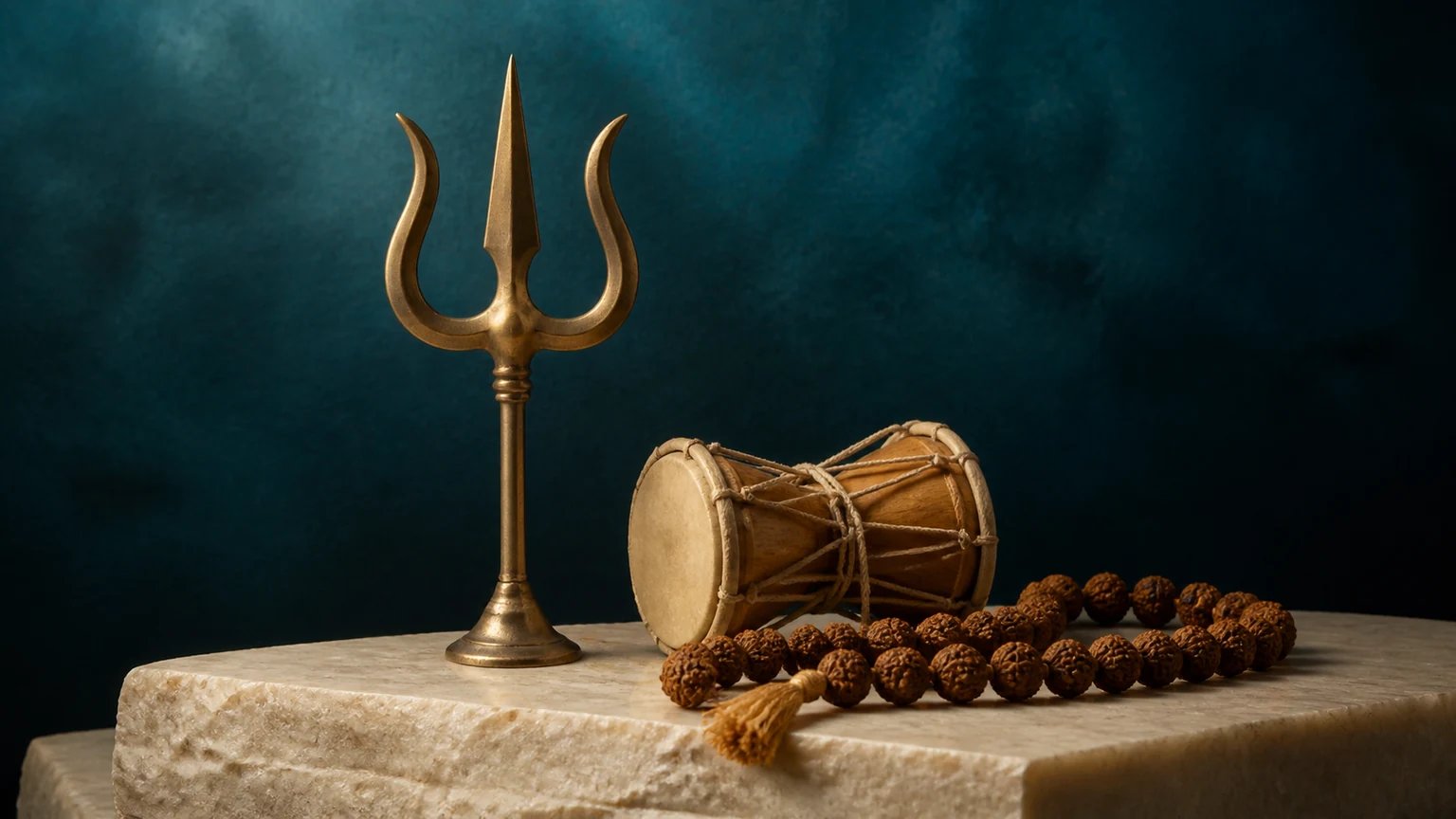
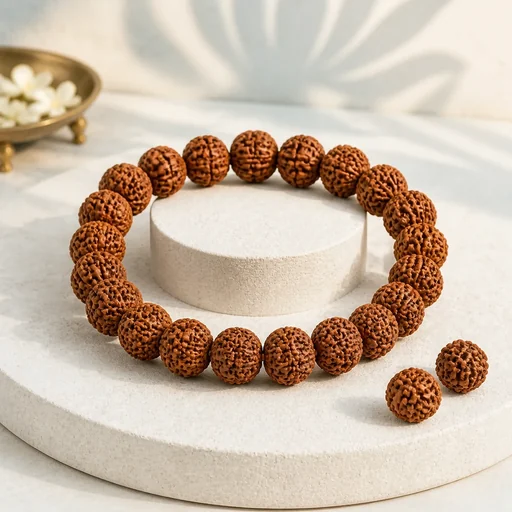
Trishula, damru, and rudraksha appear in Shiva imagery, but each object needs its own material record, attribution, and cultural context.
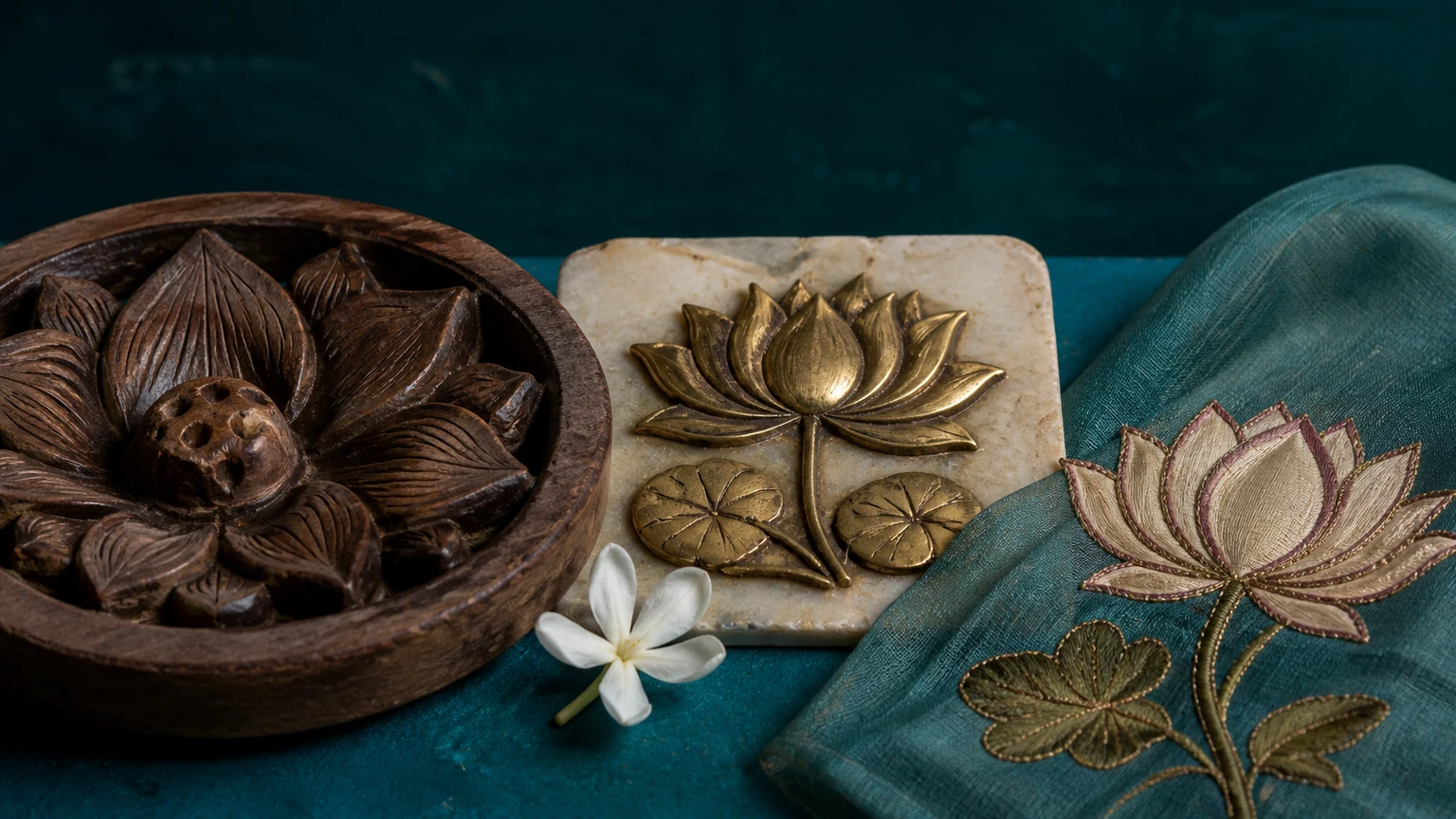
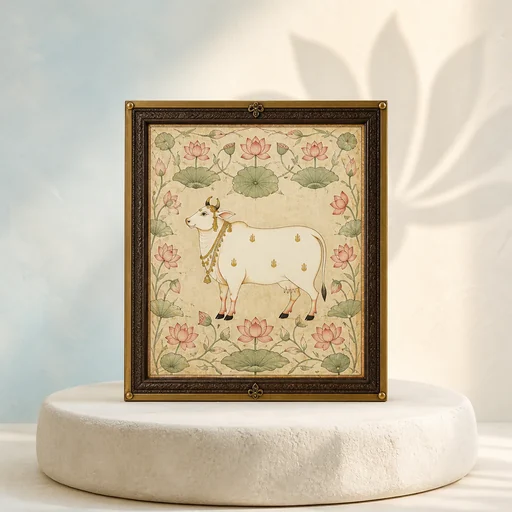
The lotus has no single context-free meaning. A museum-style method separates visible form, documented attribution, and tradition-specific interpretation.
Om is first a sacred syllable with a long sonic and written history, not a universal wellness logo. Context and review matter more than a legend.

An artisan story becomes stronger when testimony, records, and observation stay distinct. These 12 questions build a verifiable editorial foundation.

Close-ups can document visible knots, edges, seams, and finish, but not hidden construction. Use this repeatable image-review protocol.
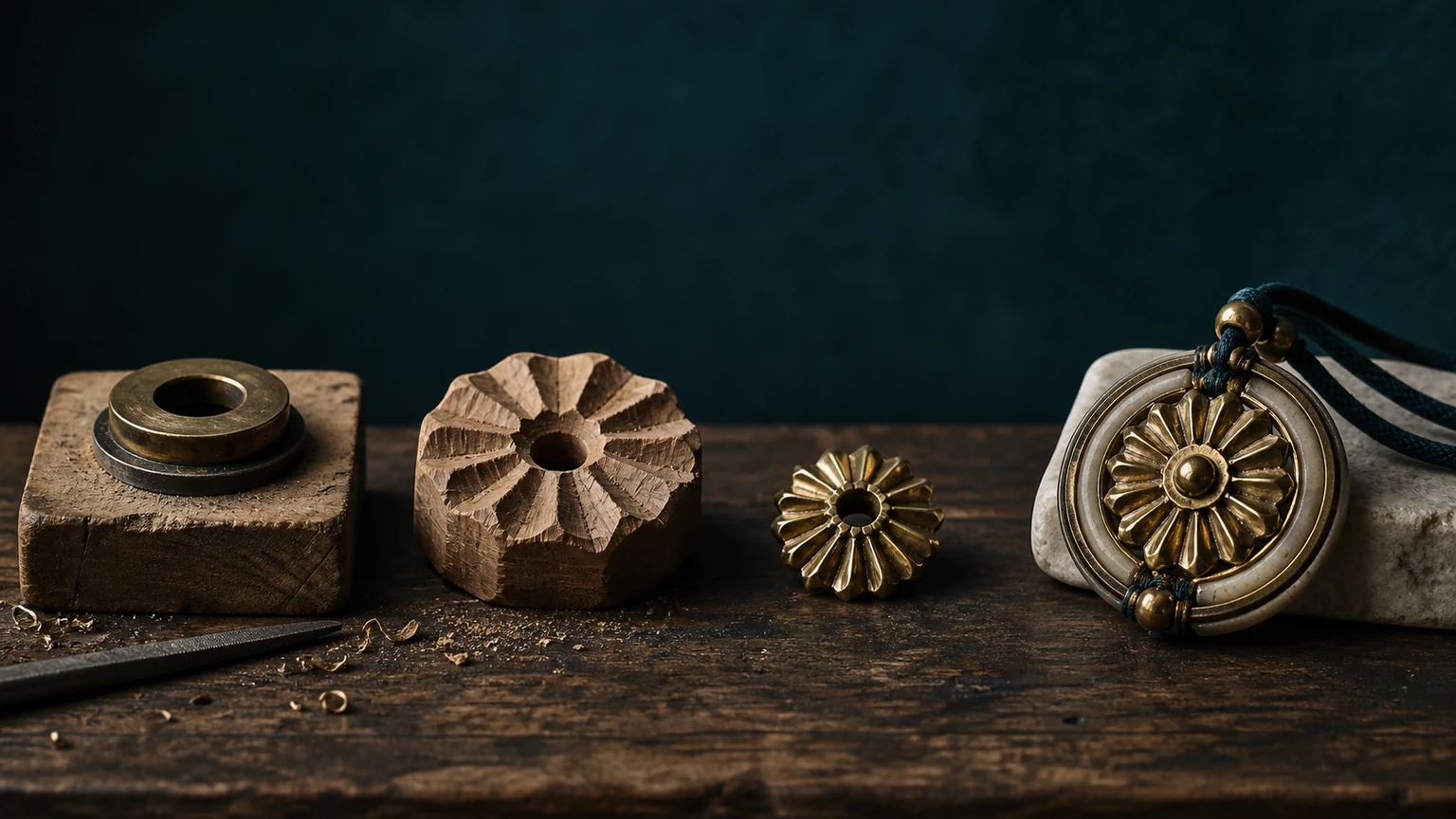
Handmade is neither one technique nor a binary quality badge. Useful disclosure says which stages were human-led, which parts were sourced, and what proves it.

A practical comparison of sterling silver, brass, and copper: what marks support, why surfaces change, and when cleaning should stop.

Similar colored surfaces can come from different processes. A precise technique name requires maker evidence, not an inference from a photograph.